
7 Myths Busted About Using Landscape Rocks in Your Yard
Landscape rocks can add texture, improve curb appeal, and create attractive outdoor spaces with less frequent maintenance than some traditional landscaping materials. However, misconceptions about their cost, installation, and impact on plants can make homeowners hesitant to use them. Understanding the facts can help you decide whether rocks are the right choice for your property and how to incorporate them effectively into your yard.
1. Landscape Rocks Are Only for Decorative Purposes
One common misconception is that landscape rocks serve no purpose beyond improving a yard's appearance. Although they can create attractive borders, accent garden beds, and add visual interest, rocks also offer several practical benefits.
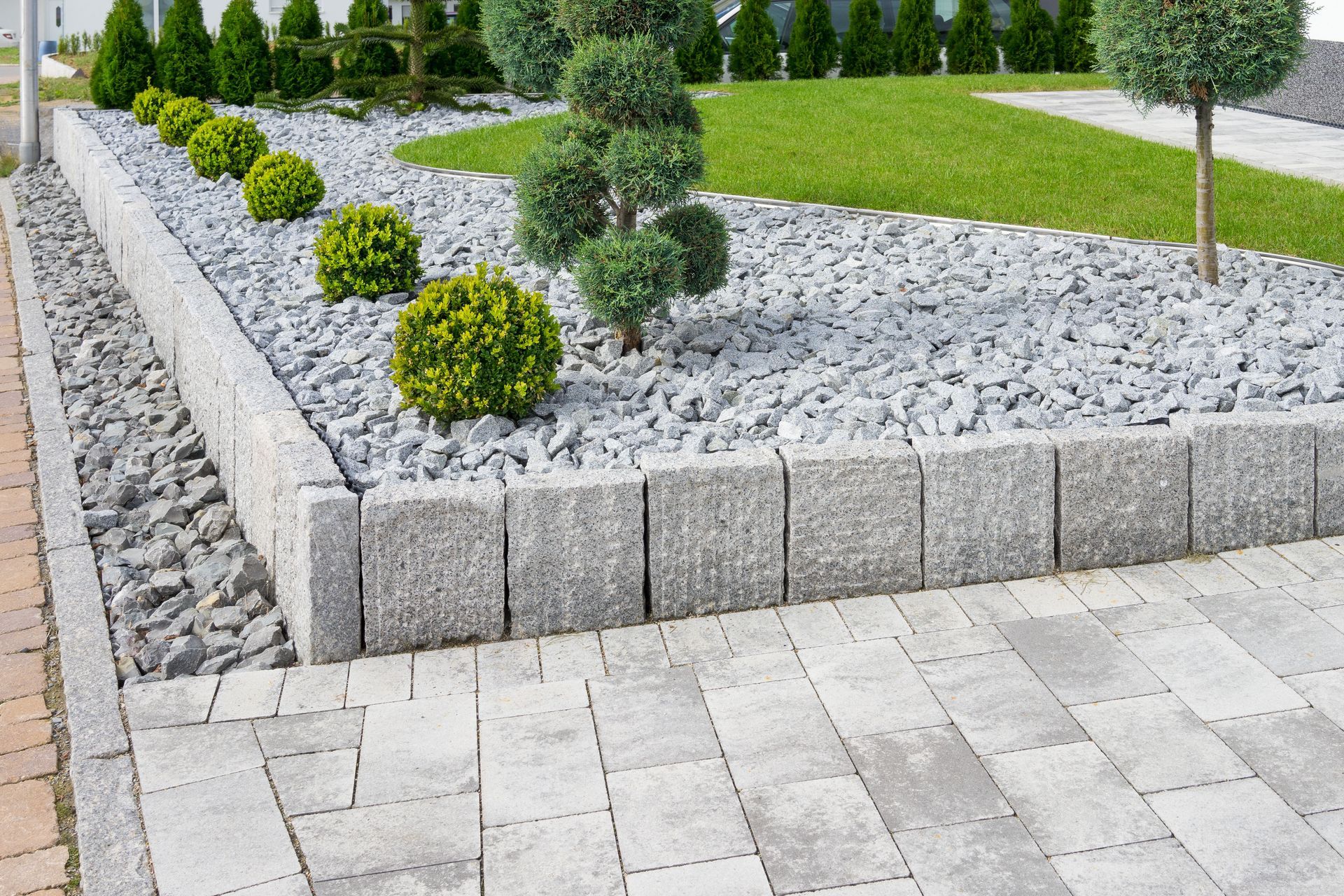
Depending on their size and placement, rocks can help define pathways, separate planting areas, and create transitions between different parts of a landscape. Larger stones can serve as focal points, while smaller gravel can provide a durable surface for walkways and other designated areas.
Rocks can also help limit soil erosion when used appropriately. For example, strategically placed stones can help stabilize certain slopes and reduce soil movement caused by rain. River rocks and other appropriately sized materials can also support drainage projects when installed as part of a properly designed system.
2. Landscape Rocks Eliminate All Yard Maintenance
Another widespread myth is that adding rocks means you will never need to maintain the landscaped area again. While stone ground cover can reduce some routine tasks, it does not eliminate yard maintenance.
Unlike organic mulch, rocks do not decompose quickly, so they generally do not need to be replaced as frequently. They can also help reduce the amount of exposed soil where weeds might otherwise establish themselves. However, weed seeds can still germinate in debris that accumulates between stones or in the soil beneath them.
Leaves, grass clippings, and other organic matter may need to be removed periodically to keep rock-covered areas looking clean. Depending on the location, homeowners may also need to replenish displaced stones, remove weeds, or redistribute materials after heavy rainfall.
A few simple practices can help keep rock landscaping in good condition:
- Remove leaves and debris before they accumulate.
- Check for weeds regularly and address them early.
- Rake or reposition stones that have shifted.
- Inspect sloped areas after heavy rainfall.
- Refresh the surface when rocks become buried or uneven.
With appropriate installation and occasional upkeep, rocks can simplify landscape maintenance without creating the unrealistic expectation of a completely maintenance-free yard.
3. Landscape Rocks Are Always More Expensive Than Mulch
The initial cost of landscaping materials can influence a homeowner's decision, and rocks are sometimes viewed as unnecessarily expensive. While stone may require a higher upfront investment than some types of mulch, the overall cost depends on the material, project size, installation requirements, and expected maintenance.
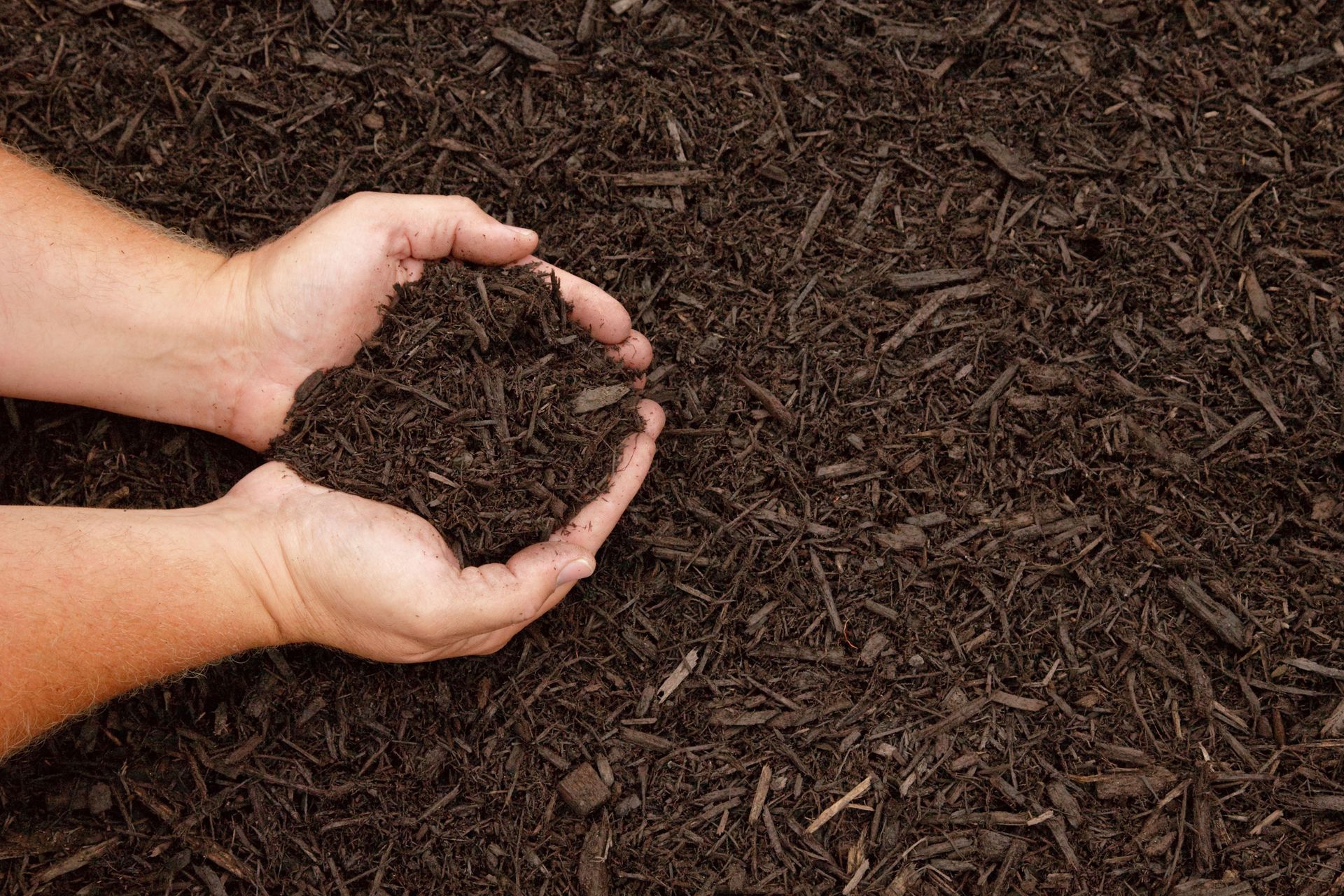
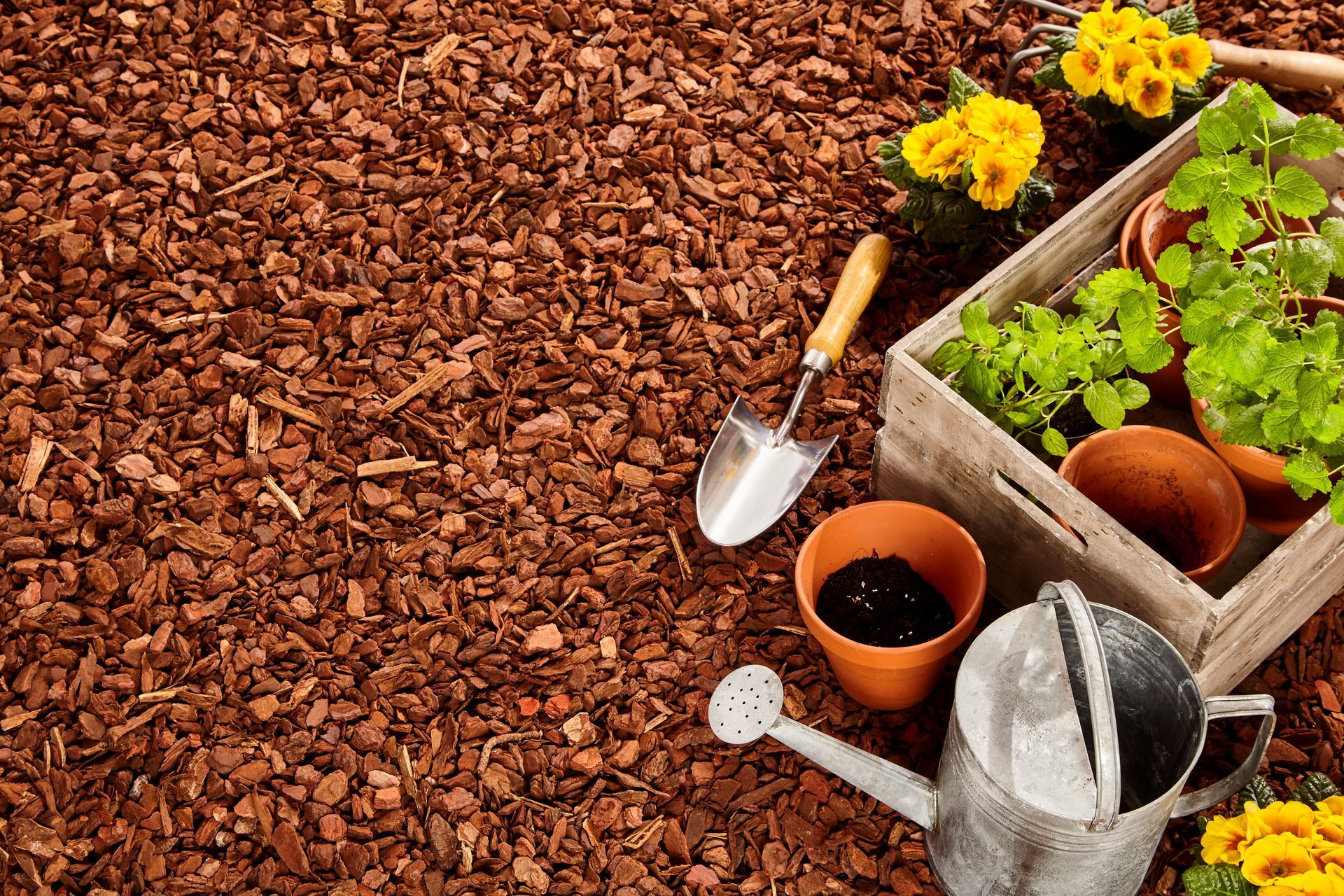
Organic mulch typically needs periodic replenishment as it decomposes. Rocks generally last much longer, although they may need occasional cleaning, repositioning, or additional material. Over time, these differences can affect the total cost of maintaining a landscaped area.
According to the Spruce, covering a 200-square-foot garden requires about 38 bags of mulch, with each bag holding 50 liters. This example illustrates how quickly material quantities can add up when covering a sizable area. Homeowners should compare the cost of the required volume of each material rather than judging affordability by the price of a single bag.
4. Rocks Prevent Plants From Growing Properly
Some homeowners avoid landscape rocks because they believe stone ground cover automatically harms nearby plants. In reality, rocks can work well in certain planting areas when the materials and growing conditions are appropriate.
Many drought-tolerant plants, ornamental grasses, and succulents can grow successfully in rock-based landscapes. These plants often suit designs that emphasize texture, contrast, and reduced water requirements. Rocks can also create an attractive finish around established shrubs and other plants that tolerate the local conditions.
However, not every plant thrives with rocks around its root zone. Stone can absorb and retain heat, potentially increasing soil temperatures during hot weather. This may stress plants that prefer cooler roots or consistently moist soil. Rocks also do not contribute organic matter to the soil as they break down, unlike decomposing mulch.
Plant selection and placement are therefore important. Consider each plant's mature size, moisture requirements, and heat tolerance before deciding where to install stone ground cover. Leave adequate space around stems and trunks, and avoid piling rocks directly against plants.
5. All Landscaping Rocks Look the Same
It is easy to assume that landscape rocks are interchangeable, but landscaping stone comes in a wide variety of sizes, shapes, colors, and textures. These differences influence how a finished project looks and how well the material performs.
For example, smooth river rocks offer rounded edges and a natural appearance that works well around garden beds, water features, and decorative borders. Crushed stone has a more angular texture and can provide a stable surface for certain paths and utility areas. Pea gravel offers a smaller, rounded profile that can create a softer visual effect in suitable outdoor spaces.
Color also plays an important role in landscape design. Light-colored stones can brighten shaded areas, while darker materials may create contrast against green foliage or lighter architectural features. Natural earth tones can complement traditional gardens, stonework, and other outdoor elements.
6. Rocks Do Not Need Proper Installation
Because rocks are durable, some homeowners assume they can simply spread them over the ground and expect good results. However, proper preparation is essential for creating a stable, attractive, and functional landscape.
Installing stone over uneven ground, existing weeds, or poorly drained soil can lead to problems. Stones may shift, unwanted vegetation may return, and water may collect in areas where it cannot drain properly. A lack of preparation can also make future maintenance more difficult.
A well-planned installation generally begins with evaluating the site. Existing vegetation and debris should be removed, and the ground should be graded appropriately for the intended use. Depending on the project, a suitable landscape fabric or other weed-management measure may help reduce weed growth, although no barrier completely eliminates weeds.
The next steps depend on the type of stone and the area being covered. A walkway may require a properly prepared and compacted base, while a decorative garden bed may need different preparation to accommodate existing plants and drainage conditions.
7. Rocks Are Unsuitable for Every Climate and Landscape
Another misconception is that rock landscaping only works in desert environments or modern yards. Although stone is commonly associated with xeriscaping, it can complement a range of landscape styles and growing conditions.
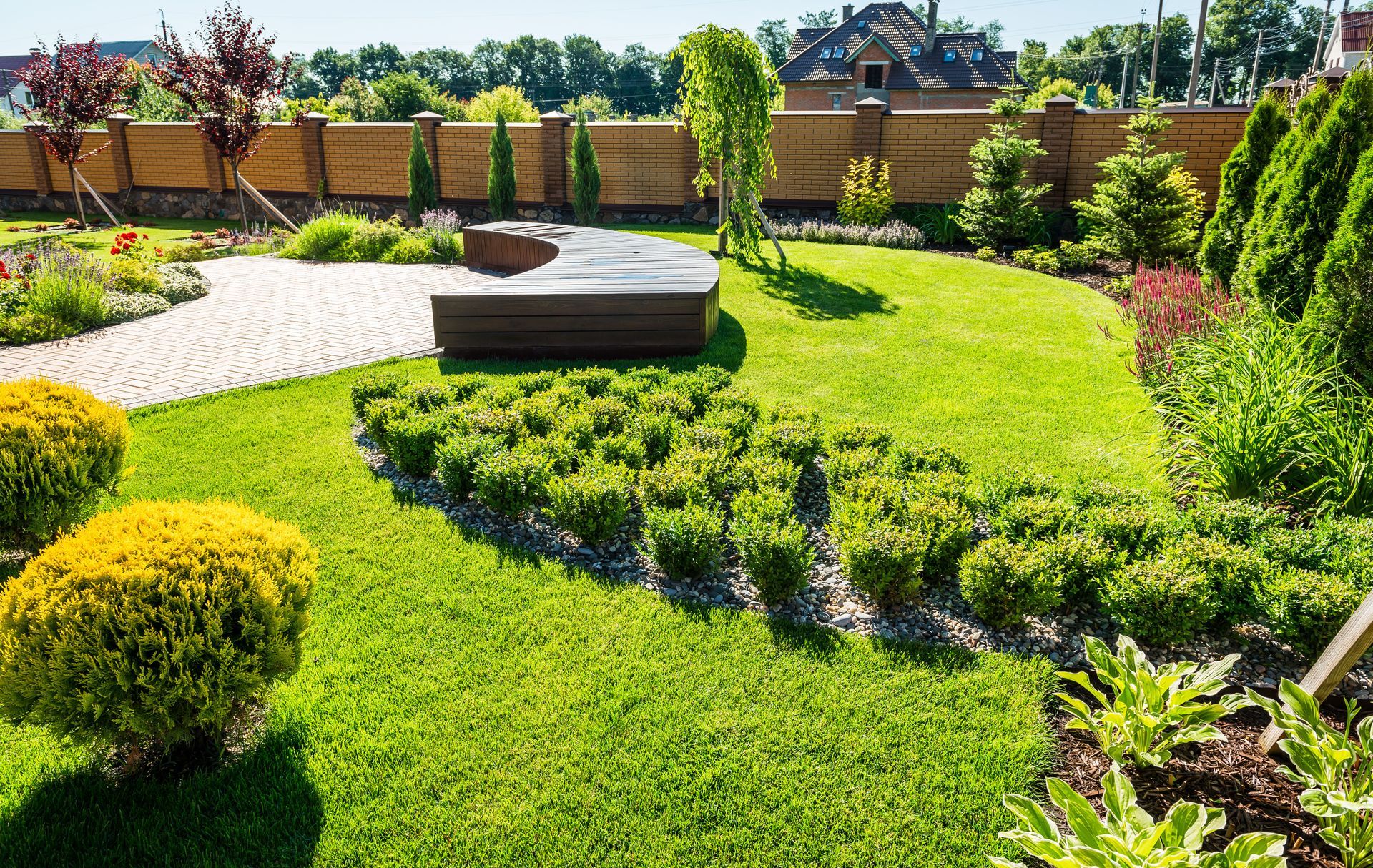
In dry regions, landscape rocks can support designs featuring drought-tolerant plants and reduce reliance on frequently replenished organic ground cover. In other climates, they can define garden borders, create attractive paths, or add contrast to lush planting beds. Their versatility makes them suitable for many residential landscapes when used thoughtfully.
Climate still matters when planning a rock-based design. In areas with intense summer heat, stone can become hot, increasing heat exposure for nearby plants. In regions with heavy rainfall, installation must account for runoff and drainage. Freeze-thaw cycles can also affect the stability of paths and other surfaces if the underlying base is not prepared properly.
Making the Right Choice for Your Yard
Understanding the facts behind common landscaping myths makes it easier to choose materials that fit your property's appearance, maintenance needs, and budget. Rocks can provide lasting visual interest, define outdoor spaces, and support certain drainage and erosion-control applications, but their success depends on thoughtful material selection and proper installation.
They are not a universal replacement for mulch, and they do not eliminate every maintenance task. Instead, the best approach is to consider the needs of each area and select materials accordingly. Some landscapes benefit from a combination of stone, organic mulch, and living plants to balance durability, soil health, and visual appeal.
Whether you are refreshing a garden bed, creating a walkway, or planning a larger landscape project, the right supplies can make a meaningful difference in the final result. Contact Sosa's Landscape Supplies to explore available landscaping materials and find the right options for your next yard improvement project.

Share On: