
Ways Mulch Can Benefit Your Garden
A healthy garden depends on more than choosing attractive plants. Soil conditions, moisture levels, temperature changes, weed competition, and the surrounding environment can all influence how well flowers, shrubs, trees, and other plants perform. Creating favorable growing conditions helps plants establish themselves while making landscaped areas easier to maintain and more visually appealing.
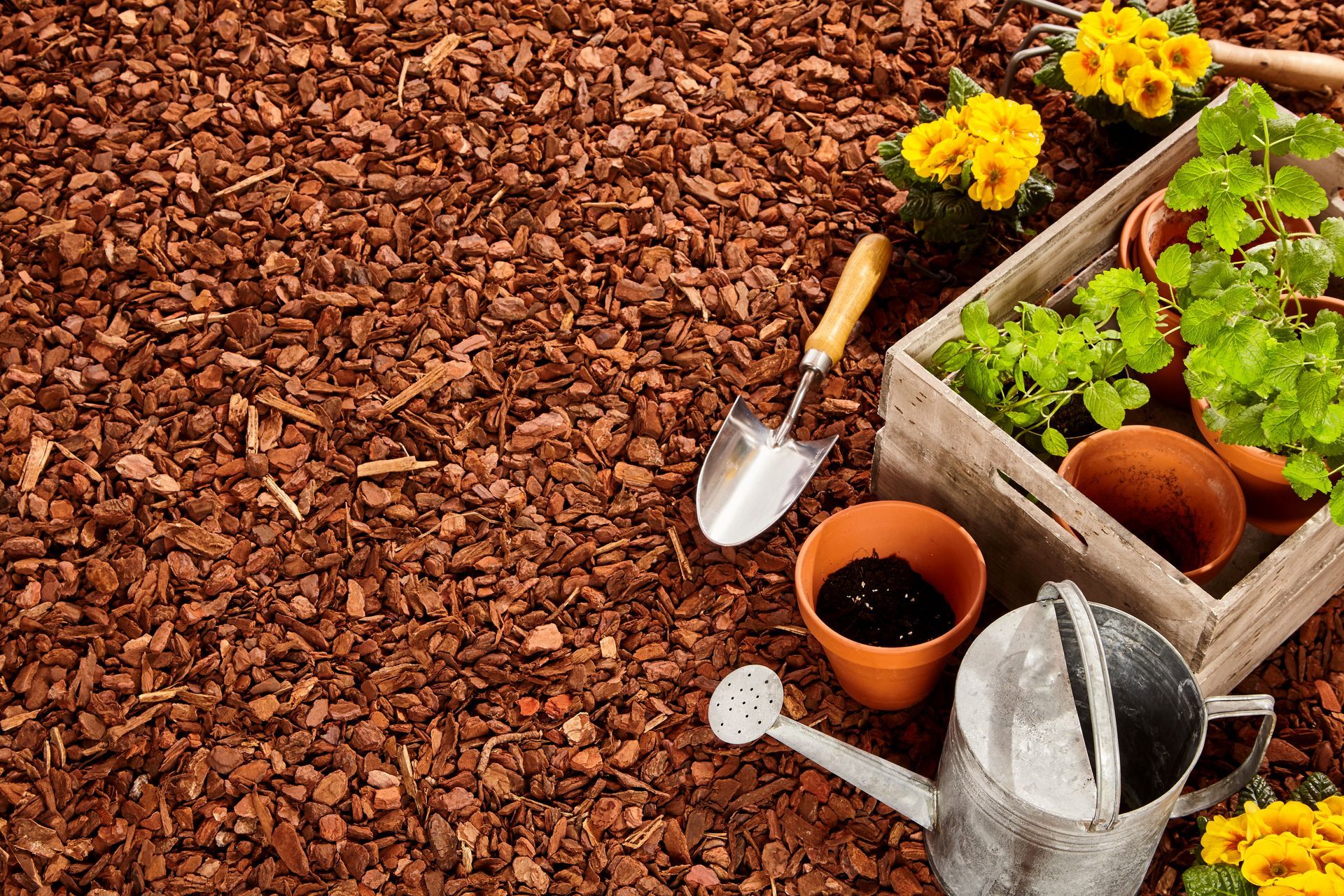
One material commonly used to support these conditions is mulch. When incorporated into garden beds and landscaped spaces, it creates a protective layer over exposed soil and can contribute to both plant health and the appearance of the property. Its benefits extend beyond aesthetics, making it a valuable component of many residential and commercial landscapes.
Understanding how this material interacts with soil and plants can help property owners appreciate why it is frequently incorporated into professionally maintained landscapes. From managing moisture to protecting plant roots, several advantages can contribute to healthier, more attractive garden spaces.
Improving Moisture Retention
Plants depend on consistent access to moisture, but water can quickly evaporate from exposed soil. Heat, direct sunlight, and dry air can remove moisture from the upper layers of the ground, potentially leaving plants with less water available around their roots. These changing conditions can place additional stress on vegetation, particularly during warm or dry weather.
A protective layer covering the soil helps reduce direct exposure to the surrounding air and sunlight. By slowing evaporation, mulch can help the ground retain moisture for longer periods. More stable soil moisture creates an environment where plant roots have greater access to the water already present in the ground.
Moisture retention can be particularly valuable in garden beds containing flowers, shrubs, or other plants that may be sensitive to rapidly changing conditions. Although individual plants have different water requirements, reducing unnecessary moisture loss supports a more stable growing environment.
Reducing Weed Competition
Weeds compete with desirable plants for resources. When unwanted vegetation becomes established in a garden bed, it can consume water, nutrients, sunlight, and growing space that would otherwise be available to intentionally planted flowers, shrubs, and other vegetation. Heavy weed growth can also make landscaped areas appear neglected.
Covering exposed soil can make conditions less favorable for many weeds. Mulch limits the amount of sunlight reaching the soil surface, which can interfere with the germination and development of certain unwanted plants. Although it cannot guarantee that a garden will remain completely free of weeds, it can help reduce opportunities for them to become established.
Reducing weed competition has benefits beyond appearance. Plants that face less competition have greater access to the resources available in the surrounding soil. This can be particularly important in beds where multiple plants are growing relatively close together and drawing from the same general area.
Regulating Soil Temperatures
Plant roots experience temperature changes differently from the visible portions of a plant. Because roots are surrounded by soil, the temperature of the ground can have an important influence on their environment. Exposed soil may heat rapidly under direct sunlight and lose heat as surrounding temperatures decline.
A covering over the ground provides insulation between the soil and changing atmospheric conditions. This buffering effect can reduce rapid temperature fluctuations around plant roots. During hot weather, the soil beneath mulch may remain cooler than completely exposed ground, while during cooler periods, the covering can help moderate how quickly stored warmth escapes.
More stable temperatures can be beneficial because plants generally perform better when their root systems are not repeatedly exposed to dramatic environmental changes. Newly established plants can be particularly dependent on favorable conditions while their roots spread into the surrounding soil.
Protecting Soil Structure
Healthy soil is a complex environment rather than simply a material that holds plants upright. Its structure influences how water moves through the ground, how air reaches roots, and how effectively plants can access nutrients. Environmental forces can gradually disturb exposed soil and affect these characteristics.
Rainfall can strike bare ground directly, potentially displacing loose particles and contributing to surface compaction or erosion. Wind may also move dry, exposed soil. A layer of mulch creates a physical barrier between the ground and these forces, helping shield the surface from their direct impact.
Protecting the soil surface can be especially valuable in landscaped areas where preserving defined beds and maintaining favorable growing conditions are priorities. Limiting soil displacement helps keep the garden environment more stable while supporting the area around established plants.
Supporting Organic Soil Activity
Garden soil contains an active community of organisms involved in natural biological processes. These organisms contribute to the breakdown of organic matter and the cycling of materials through the soil. Their activity is influenced by environmental conditions, including moisture and temperature.
Organic mulch can gradually break down as it interacts with moisture, microorganisms, and the surrounding environment. Over time, this decomposition contributes organic material to the upper portion of the soil. The process can support an active soil environment and complement the natural cycles already occurring beneath garden plants.
Healthy soil activity matters because gardens contain surprisingly complex living systems. Even familiar flowers demonstrate how intricate plants can be. For example, according to Good Housekeeping, the fuzzy brown center and familiar yellow petals of a sunflower are actually composed of 1,000 – 2,000 individual flowers held together on a single stalk. Supporting the environment beneath plants is therefore an important part of maintaining the larger garden ecosystem.
Enhancing Garden Appearance
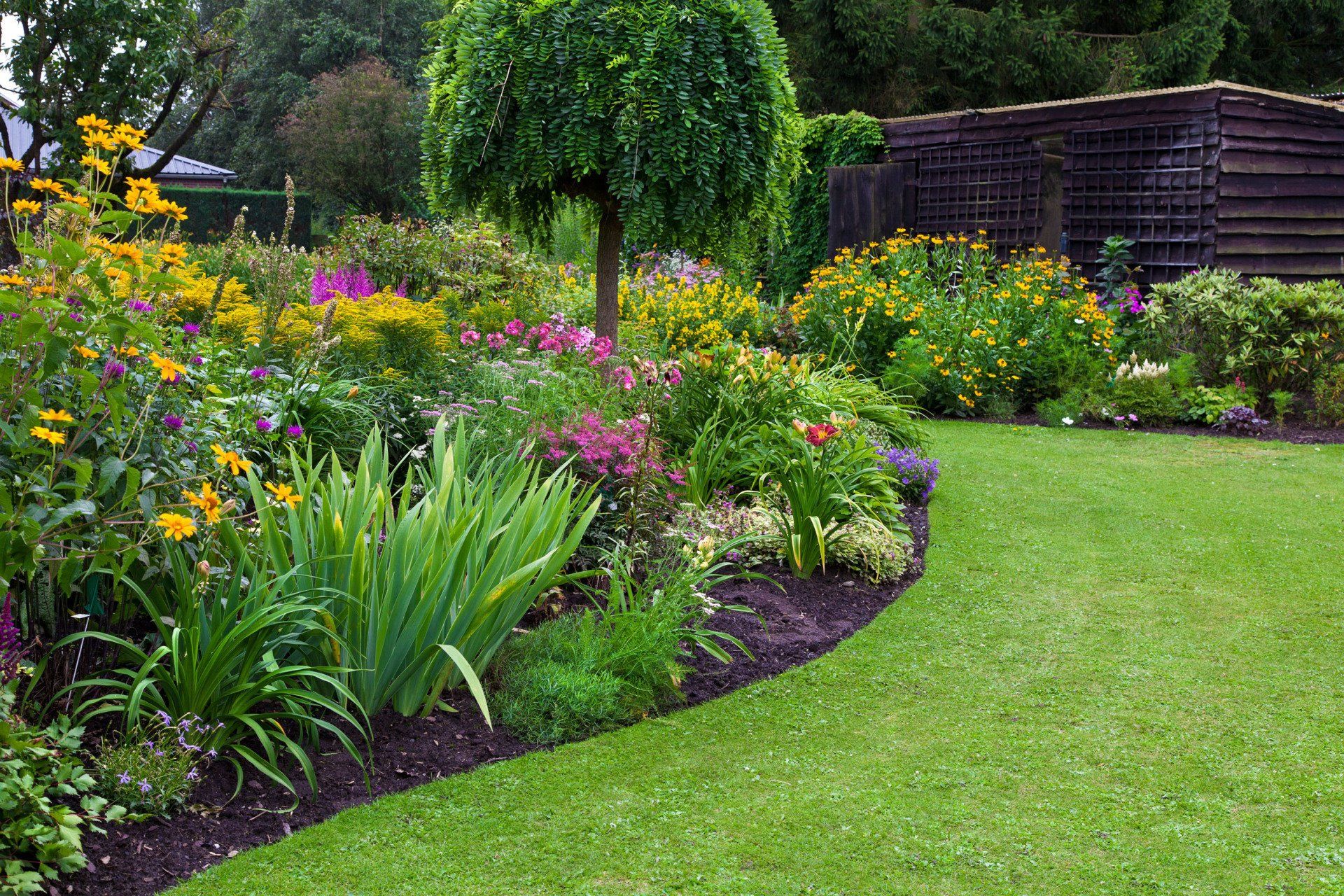
Landscaping is both functional and visual. Even healthy plants can appear less polished when garden beds contain exposed, uneven soil. Creating a consistent surface around flowers, shrubs, and trees helps establish clear visual boundaries and gives landscaped spaces a more cohesive appearance.
A layer of mulch can provide contrast against surrounding vegetation, helping colors, textures, and plant forms become more noticeable. This visual definition can be particularly effective around flowering plants, where the surface beneath them acts as a neutral background rather than competing for attention.
The material can also help unify beds containing different varieties of plants. Landscapes often combine shrubs, flowers, ornamental grasses, and trees with distinct colors and shapes. A consistent ground covering visually connects these elements and makes the overall design feel more intentional.
Protecting Plants From Environmental Stress
Garden plants are continuously exposed to changing environmental conditions. Heat, dry air, heavy rainfall, fluctuating soil temperatures, and competition from unwanted vegetation can all influence plant performance. While no landscaping material can eliminate environmental stress, creating more stable conditions around root systems can make the garden environment less vulnerable to rapid changes.
The protective effects of mulch work together rather than independently. Moisture remains available longer when evaporation is reduced, while soil temperatures can remain more stable when the ground is insulated. At the same time, protection from direct rainfall and wind can help preserve the soil surface.
These combined benefits can be especially valuable around established landscape features that are expected to remain part of the property for an extended period. Trees, shrubs, and perennial plantings represent long-term elements of a landscape, making the conditions surrounding their root systems particularly important.
Creating a Healthier Garden Environment
A successful garden is the result of many interconnected factors. Adequate moisture, suitable temperatures, healthy soil conditions, controlled competition, and protection from environmental forces all influence how plants interact with their surroundings. Improving any one of these conditions can be helpful, but addressing several at the same time can create a more supportive growing environment.
Using mulch within landscaped areas provides a combination of practical and aesthetic benefits. It can reduce moisture loss, discourage unwanted vegetation, moderate soil temperatures, protect the ground from environmental forces, support organic soil processes, and create a cleaner appearance around plants.
Choosing Materials for Your Landscape
Every landscape has different needs based on its plants, soil conditions, overall design, and intended appearance. Selecting suitable landscape materials can help create a finished garden while supporting the conditions plants need to thrive.
At Sosa’s Landscape Supplies, we can help you explore materials suited to your landscaping goals. Contact us to learn more about our available options and discover how we can help you create an attractive, well-supported garden.

Share On: